Why Choose Tobacco E Liquid for Vape Products?
Choosing Tobacco E-Liquid for vape products is rarely a simple matter of preference. Many adult consumers look for a familiar, roasted taste rather than bright fruit or sweet dessert notes. A well-made blend may suggest dry leaves, mild wood, toasted grain, or a soft pepper finish. Small details matter. The aroma should remain balanced, not harsh or overwhelmingly sweet. However, taste is personal, and a description cannot replace direct sensory experience.
Quality and accountability should guide the decision. Reputable manufacturers identify ingredients, provide batch information, and follow applicable product standards. Nicotine-containing products should carry accurate strength labels and use child-resistant packaging where required. Buyers should also check local laws, age restrictions, and independent laboratory information before purchasing. These steps support informed choices, but they do not make vaping risk-free. Tobacco E-Liquid is not harmless, and it should not be presented as a wellness product or as a guaranteed smoking-cessation solution. That assumption deserves scrutiny.
There is also an environmental question. Empty bottles, coils, and packaging require responsible disposal. A careful user notices these practical details. Consistent flavor can be useful, yet consistency depends on storage, device settings, and manufacturing quality. Heat, light, and long storage may change the experience. This article examines why some adult users choose Tobacco E-Liquid, while considering flavor, quality control, safety information, and responsible use. The evidence is still developing. A cautious view is necessary.
What Is Tobacco E-Liquid and How Is It Used?
Why Choose Tobacco E Liquid for Vape Products?
What Is Tobacco E-Liquid and How Is It Used?
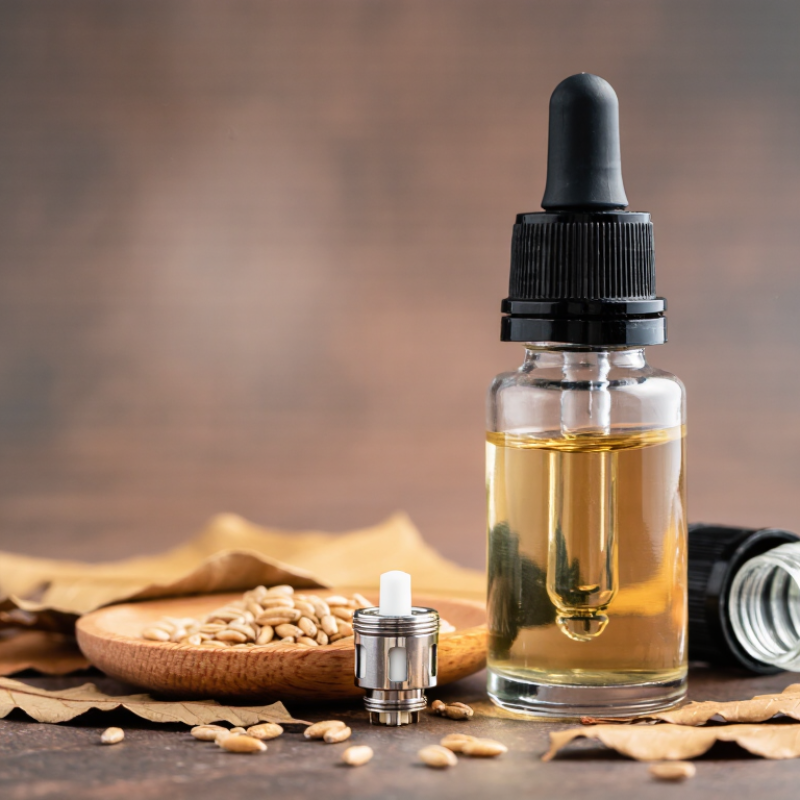
Tobacco e-liquid is a prepared liquid made for compatible vaping devices. It usually contains propylene glycol, vegetable glycerin, flavorings, and optional nicotine. Tobacco-style flavor does not always mean it contains tobacco leaves. It often recreates dry, earthy, toasted, or slightly sweet notes. The liquid is placed inside a suitable tank or pod. A heating coil warms it into an aerosol, which the user inhales. It is not burned like a cigarette. That difference changes the experience, but it does not make vaping risk-free.
From practical use, a balanced formula can produce a smoother draw and a clearer flavor. However, device settings strongly affect the result. Too much heat may create a harsh taste and reduce coil life. Too little heat can make the flavor feel weak. I have found that “stronger” does not always mean better. Personal preference, coil design, and airflow all matter. Users should follow the device instructions and choose only legal, age-appropriate products from reliable suppliers. Nicotine products require extra care and should be kept away from children and pets.
Tips: Check the ingredient and nicotine information before use. Store the bottle upright, cool, and tightly closed. Replace damaged pods or leaking parts. Clean the device regularly, but do not improvise with unsuitable components. Local rules may differ, so verify them before purchasing or using any e-liquid.
Key Ingredients and Flavor Characteristics of Tobacco E-Liquid
Tobacco e-liquid typically combines propylene glycol, vegetable glycerin, flavor concentrates, and nicotine where legally permitted. Propylene glycol carries flavor efficiently and creates a sharper throat sensation. Vegetable glycerin produces denser, softer vapor. The balance changes both texture and flavor release. Ingredient quality matters.
Tobacco flavor is rarely one-dimensional. It may include dry leaf, roasted nut, light caramel, wood, or gentle smoky notes. Experienced formulators adjust these layers carefully, because excessive sweetness can hide the tobacco character. A small change in concentration can alter the entire profile. Taste remains personal.
The U.S. Centers for Disease Control and Prevention identifies nicotine, flavorings, propylene glycol, and vegetable glycerin among common e-liquid components. The 2018 National Academies report found that e-cigarette aerosol generally contains fewer toxicants than combustible cigarette smoke, while stressing that exposure is not harmless. That distinction matters. Long-term evidence remains incomplete, and flavor descriptions are not safety claims. The UK Committee on Toxicity also notes that aerosol composition can vary with device power, liquid formulation, and user behavior. Testing data may look precise, yet real-world use is less consistent.
Why Choose Tobacco E-Liquid for Vape Products?
Key Ingredients and Flavor Characteristics of Tobacco E-Liquid
Tobacco e-liquid commonly uses a blend of propylene glycol (PG), vegetable glycerin (VG), flavor concentrates, and optional nicotine. PG generally carries flavor more sharply and produces a stronger throat sensation, while VG creates denser vapor and a smoother inhale. The ratios shown are commonly used formulation profiles rather than brand or company data.
Tobacco flavor profiles may include dry leaf, roasted, woody, nutty, caramel, vanilla, and smoky notes. Flavor characteristics vary according to the flavor concentrate and formulation. Nicotine is optional, but when present it is addictive and should be handled responsibly.
Why Do Vapers Choose Tobacco-Flavored E-Liquid?
Why Do Vapers Choose Tobacco-Flavored E-Liquid?
Many adult vapers choose tobacco-flavored e-liquid because it feels familiar. The aroma can resemble a traditional cigarette, without the ash, paper, or burned taste. For some smokers, that familiar profile makes switching less disruptive. It also suits users who dislike sweet, fruit, or dessert flavors. The experience is quieter and more restrained. Tobacco profiles may also work well with coffee, tea, or a morning routine.
Industry data shows why flavor choice needs careful interpretation. The 2023 CDC National Youth Tobacco Survey recorded 2.13 million U.S. middle and high school students using e-cigarettes. Among them, 89.4% used flavored products, including menthol and other non-tobacco options. This finding concerns young people, not legally purchasing adults, but it demonstrates how strongly flavor affects product appeal. The FDA and NIH Population Assessment of Tobacco and Health Study also tracks adult e-cigarette use, smoking history, flavor preferences, and switching behavior. Its longitudinal design is more useful than a single consumer poll.
Tobacco flavor is not automatically safer. E-liquid aerosol can contain nicotine and other chemicals, and risks vary by product and use. The World Health Organization continues to describe e-cigarettes as harmful and not risk-free. Evidence about quitting remains mixed. I would not overstate the benefit. Some users want continuity, while others simply prefer the taste. That difference matters. Availability and nicotine rules also vary by jurisdiction.
Nicotine Strengths and Device Compatibility
Why Choose Tobacco E Liquid for Vape Products?
Tobacco e liquid offers a familiar, dry profile for adults who prefer less sweetness. Nicotine strength is usually measured in milligrams per millilitre, or mg/mL. Lower-powered devices often suit higher strengths and tighter airflow. These devices produce smaller vapour amounts. A lower strength may feel more comfortable in a powerful device with open airflow. More vapour can deliver nicotine faster. This is not a fixed rule, though. Personal tolerance, inhalation style, and device settings all matter.
Tips: Check the bottle label before filling. Begin with a moderate strength, especially when changing devices. Take short puffs and pause between them. Stop if you feel dizzy, nauseated, or develop a headache. Keep e liquid away from children and pets. Store it upright, sealed, and away from heat. Use only legal, age-compliant products in your area.
Device compatibility deserves careful attention. A small pod may leak with a liquid that is too thin, while a high-powered tank may need better wicking support. Follow the device instructions and check the recommended liquid ratio. It is easy to assume stronger nicotine always feels better. It may instead feel harsh or overwhelming. Nicotine preferences can change over time, so reviewing your choice is sensible. A comfortable setup should provide steady flavour, manageable vapour, and no unpleasant throat pressure.
Health, Safety, and Regulatory Considerations
Why Choose Tobacco E Liquid for Vape Products?
Tobacco e liquid may appeal to adult vapers seeking a familiar, less sweet profile. Its dry aroma can resemble cured tobacco leaves, toasted wood, or mild pepper. That familiarity does not make vaping harmless. Most tobacco-flavoured liquids contain nicotine, which can create dependence and affect cardiovascular health. Non-smokers, young people, and pregnant individuals should avoid nicotine products.
Health and safety depend heavily on manufacturing quality. A reliable product should list ingredients clearly and provide accurate nicotine-strength information. Batch identification, contamination testing, and sealed, child-resistant packaging are important safeguards. The liquid should not contain prohibited substances or unexplained additives. From a quality-control perspective, storage also matters: heat and sunlight can change colour, flavour, and chemical stability. Keep bottles locked away from children and pets.
Regulatory compliance differs between jurisdictions. Sellers and manufacturers should check current rules on nicotine limits, labelling, advertising, packaging, and product notification. Independent laboratory evidence is more useful than vague safety claims. Still, testing has limits. It cannot prove that vaping is risk-free over many years. That uncertainty deserves honest attention. I would also question descriptions such as “clean” or “safe,” because they may oversimplify real health risks. For adults who already use nicotine, a regulated tobacco profile may support flavour consistency, but choosing it requires informed judgment rather than assuming it is a healthy alternative.