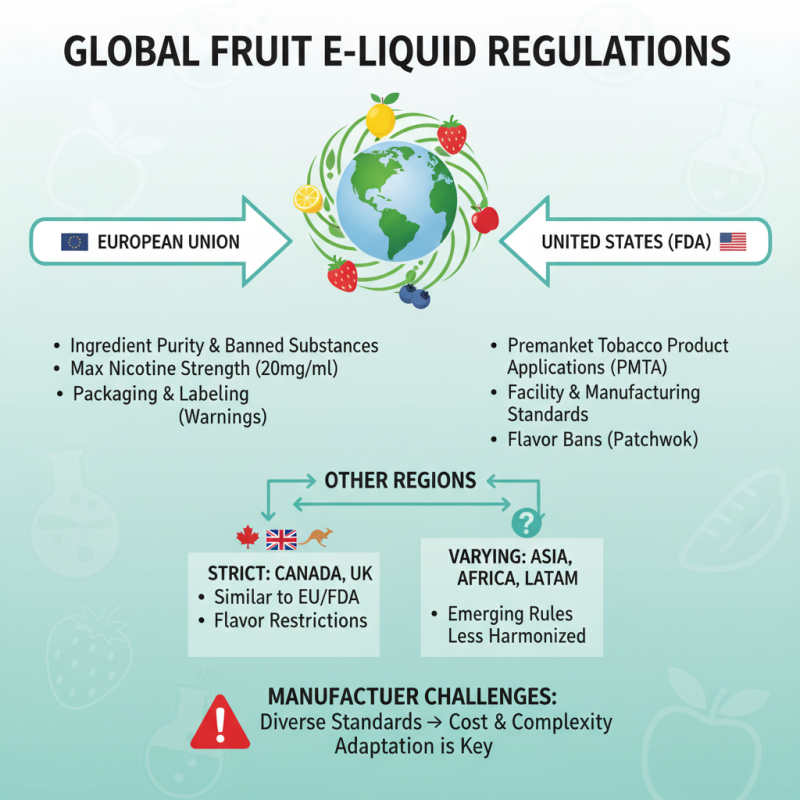
Top Fruit E-Liquid Options for Global Buyers Seeking Quality?
As the vaping industry continues to evolve, Fruit E-Liquid options capture significant interest. Quality and flavor are essential for users worldwide. They seek unique tastes that enhance their vaping experience.
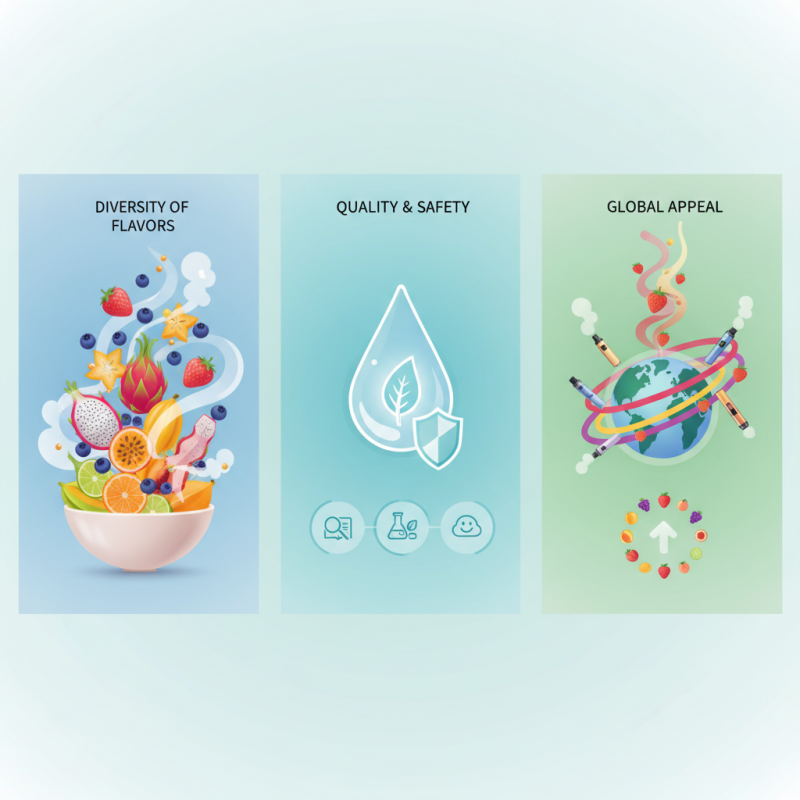
In recent years, the diversity of Fruit E-Liquid has expanded. Vendors now offer a variety of enticing flavors. These include classic fruits, exotic blends, and innovative combinations. The appeal lies in their refreshing essence and satisfying sweetness. Each puff can provide a burst of fruity joy. However, buyers must also consider quality and safety. There’s a wide range of products to navigate, making informed choices crucial.
It’s essential to recognize that not all products are created equal. Some may lack authentic flavor, while others might compromise on vaping quality. Researching and reading reviews can enhance your selection process. Trustworthy brands often prioritize high-quality ingredients. By doing so, they provide consumers with a better experience. Ultimately, discerning buyers can enjoy the best Fruit E-Liquid options available globally.
Top Fruit E-Liquid Brands Popular Among Global Consumers
When exploring the world of e-liquids, fruit flavors consistently rank among the top choices globally. According to a recent industry report, fruit-flavored e-liquids account for nearly 40% of the total market share. This popularity stems from their refreshing taste profiles and wide appeal. Consumers often seek vibrant flavors such as mango, strawberry, and watermelon, which provide a sensory experience.
Brands have also noticed a shift in consumer preference toward natural ingredients. A study found that 65% of global buyers prefer e-liquids made with organic flavoring. This trend signifies a growing demand for transparency in ingredient sourcing. However, it raises questions about the sustainability of sourcing natural components.
While many consumers enjoy fruit e-liquids, there are ongoing concerns about balancing flavor intensity with nicotine delivery. Research indicates that fruit flavors can sometimes mask the harshness of nicotine. This can lead to higher consumption rates among new users, making it a critical point for the industry to address. Formulating e-liquids that prioritize both flavor and safety remains a complex challenge, prompting further investigation and discourse.
Key Factors to Consider When Choosing Quality Fruit E-Liquids
When selecting quality fruit e-liquids, several key factors come into play. Flavor authenticity is crucial. Many buyers prefer natural flavors over synthetic ones, which can influence satisfaction. According to a recent industry report, 75% of vapers prioritize flavor quality. The sourcing of ingredients also matters significantly. Look for options that specify their ingredient sources.
Next, consider the nicotine content. Many e-liquids offer a range of nicotine levels. This allows users to tailor their experience. Studies indicate that 40% of vapers choose lower nicotine options for better flavor enjoyment. Understanding personal preferences is essential in making the right choice.
**Tip:** Always read reviews from credible sources. This can provide insights into product quality and user experiences.
The importance of third-party testing cannot be overstated. Reliable brands often undergo extensive testing. This ensures consistency and safety in their products. A survey shows that 55% of consumers trust brands that provide transparency in testing processes.
**Tip:** Check for certificates of analysis. They reveal important information about the e-liquid's composition.
Lastly, consider packaging and design. Attractive packaging may suggest quality, but it can be misleading. Always prioritize quality over aesthetics to ensure a satisfying vaping experience.
Popular Flavor Profiles in the Fruit E-Liquid Market
The fruit e-liquid market is booming worldwide, driven by diverse flavor profiles that attract both new and seasoned vapers. Research shows that fruity flavors dominate sales, comprising over over 50% of the global e-liquid market. Popular tastes include tropical fruits, berries, and citrus, appealing to consumers' desire for freshness and sweetness.
One study indicates that flavors like mango and strawberry are particularly favored. These flavors often evoke positive memories and feelings, creating a strong emotional connection for users. Sweet and tangy blends, such as pineapple-coconut, are also on the rise. However, not every manufacturer meets quality standards in this competitive market. There are concerns regarding ingredient sourcing and product consistency.
Market analysis reveals a growing interest in natural and organic options. Consumers are increasingly cautious about what they inhale. They seek transparency in lab testing and ingredient sourcing. This shift towards quality raises the bar for manufacturers to ensure their offerings are safe and reliable. As the market matures, addressing these concerns will be crucial for long-term success.
How to Identify Authentic Fruit E-Liquids and Avoid Counterfeits
Identifying authentic fruit e-liquids requires attention to detail. Start by examining product labels. Real brands clearly list ingredients without vague terms. Look for natural flavoring sources. This ensures the quality and authenticity of the liquid.
Packaging can also provide clues. Authentic e-liquids usually feature secure seals and professional branding. Counterfeit products often have poor-quality graphics or misspelled words. Additionally, check for batch numbers and expiration dates. Good manufacturers prioritize transparency, making it easy to trace the product's origins.
Consumer reviews play a crucial role. Always seek opinions from verified buyers. They can highlight genuine experiences and potential issues. Use social media platforms to connect with other users. Discussions can reveal useful tips to distinguish reliable e-liquids from counterfeits. Remember, the hunt for quality can sometimes lead to unsatisfactory finds. Reflecting on these experiences can guide better choices in the future.
Top Fruit E-Liquid Options for Global Buyers Seeking Quality