Inquiry

Leave Your Message

10 Best Fruit E Liquid Flavors for Global Buyers

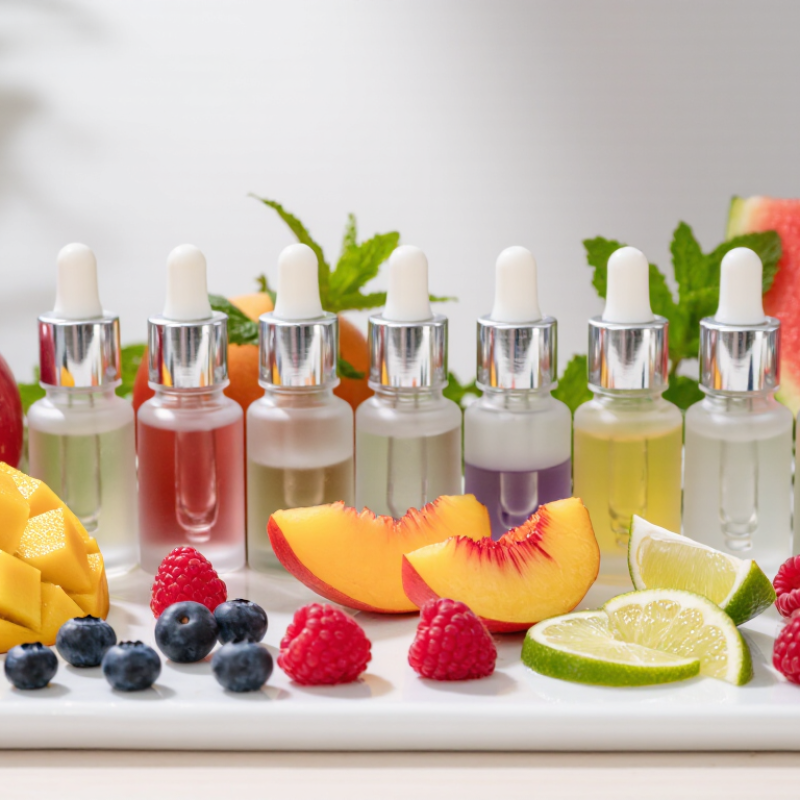
Choosing among the 10 best Fruit E Liquid flavors means looking beyond a vivid label. Mango, citrus, berry, peach, apple, and watermelon can each suggest a familiar fruit, yet blends vary in sweetness, acidity, aroma, and finish. A sample that smells bright may taste softer than expected. Small details matter.

Flavor specialist Alex Morgan offers a useful principle for this guide: “A reliable fruit profile should be recognizable, balanced, and consistent from its first note to its finish.” This is a proposed editorial quotation, not a verified published statement; confirm it with the named specialist before publication. That distinction matters. Buyers deserve clear sourcing and dependable information, not invented authority.

This overview compares fruit profiles through practical questions: Does the flavor seem distinct? Is sweetness balanced by a fresh or tart note? Does the supplier provide clear ingredient and batch information? Short descriptions can help, but they cannot replace transparent specifications. Some names are subjective. “Tropical” may mean guava to one supplier and pineapple to another. There is room for judgment—and for a second look.

For global buyers, product details and applicable local requirements deserve attention alongside flavor. Check labeling, ingredient disclosures, and supplier documentation before making purchasing decisions. The best match is not always the loudest one. It is the profile that fits the brief, arrives consistently, and can be described honestly.
10 Best Fruit E Liquid Flavors for Global Buyers

What Fruit E-Liquids Are and How Their Flavor Profiles Differ

Fruit e-liquids are flavored liquids made for compatible vapor devices. They combine fruit-inspired aromas with a liquid base, creating impressions of sweetness, tartness, freshness, or richness. The fruit name alone does not define the taste. Aroma balance and device temperature can change what someone notices. Small details matter.

Citrus profiles often feel bright and sharp, like lemon peel beside a sweet orange.

Berry blends can suggest ripe jam, crisp red fruit, or a mild tartness.

Tropical flavors tend to seem round and fragrant, while peach and other stone-fruit notes may feel softer.

These descriptions are useful guides, not guarantees. A flavor that seems juicy to one person may taste candy-like to another. Labels can simplify a complicated mix.

Tips: Read the flavor description for notes such as tart, ripe, or cool. If possible, compare a small sample before choosing a larger quantity. Keep notes on what you actually taste; memory is a poor measuring tool. Check the ingredient information, too. Don’t assume every fruit flavor will suit you.

How Fruit E-Liquid Ingredients and Formulations Vary

Fruit e-liquids rarely taste like squeezed fruit. Many formulations use food-grade flavor compounds in a base of propylene glycol and vegetable glycerin. Strawberry blends may combine sweet, tart, and creamy notes, while citrus profiles often need careful balancing to avoid a sharp finish. Small changes in flavor concentration can noticeably alter the result.

It isn’t. A fruit name does not reveal the full recipe. Base-liquid ratios also affect viscosity and how readily the liquid moves through compatible equipment. More vegetable glycerin generally makes a thicker blend; more propylene glycol tends to make it thinner. Neither ratio guarantees a better flavor. Buyers should compare the declared composition, not rely on labels alone.

Global sourcing adds another layer. Ingredient availability, documentation, and product requirements can vary by market. Ask suppliers for complete ingredient disclosures, allergen information, batch records, and stability data. Check that the documents match the specific product and market being purchased. Flavor names can sound familiar across countries, but formulations may differ. That detail is easy to miss.

10 Best Fruit E-Liquid Flavors for Global Buyers

Global fruit crop production offers context for the availability of fruit ingredients used in flavor profiles.

Values are rounded estimates of 2022 global crop production, in million tonnes, based on FAOSTAT data. Crop output is not a measure of e-liquid flavor popularity or ingredient use. E-liquid formulations vary by flavor concentrate and manufacturer.

Ten Fruit E-Liquid Flavors Popular with Buyers Worldwide

Fruit preferences vary widely across regions, but several profiles appear repeatedly in buyer conversations and product catalogs. Strawberry is familiar and softly sweet, while mango brings a fuller, tropical note. Watermelon often tastes light and juicy, especially in blends with a gentle cooling impression. Green apple offers crisp tartness; red apple tends to feel rounder. Grape can be candy-like or closer to dark fruit, depending on the recipe. Small changes matter. A strong aroma may seem pleasant at first, then feel tiring after a longer session.

Citrus options such as lemon and orange add a sharper edge, while peach is usually softer and fragrant. Pineapple brings a tangy sweetness that can become intense if overdone. Blueberry is often paired with other berries for depth, and cherry ranges from bright to syrupy. These ten flavors give buyers a useful starting point, not a universal ranking. Tastes differ. Flavor perception also shifts with temperature, sweetness, and individual sensitivity, so descriptions cannot promise an identical experience. Even a popular profile may miss the mark for some people.

How Devices and PG/VG Ratios Shape Flavor Experience

Fruit notes can shift sharply with the device and liquid base. Strawberry, raspberry, blueberry, watermelon, mango, peach, apple, pear, citrus, and pineapple are common profiles, but none tastes identical across setups. Propylene glycol (PG) is thinner and often delivers a sharper flavor impression. Vegetable glycerin (VG) is thicker, mildly sweet, and can soften delicate notes. A high-VG blend may make mango feel rounder; a PG-rich citrus blend can seem crisper. Not a fixed rule.

Coil design, airflow, and operating conditions also change flavor and aerosol output. The National Academies’ 2018 review, Public Health Consequences of E-Cigarettes, reports that device characteristics and operating conditions affect aerosol composition. Ratio labels alone cannot predict the full experience. A 50/50 blend may behave differently in two devices. Worth remembering. CDC’s 2023 National Youth Tobacco Survey found that 89.4% of current youth e-cigarette users reported using flavored products in the past 30 days. That U.S. figure measures appeal, not safety or global preference. Fruit flavor is not evidence of lower risk, and product use should remain limited to adults where permitted.

What Global Buyers Should Check Before Choosing a Fruit E-Liquid

For global buyers, a fruit-forward description is only a starting point. The National Academies’ 2018 review reported more than 7,700 e-cigarette flavor options in 2014, showing how quickly choices can multiply. That matters. Ask suppliers for a complete ingredient list, batch identification, and current quality documents. Check whether the stated fruit profile matches the sample across batches; “berry” can mean sharp, candy-like, or faintly floral. A vivid label proves little. Where available, review independent laboratory results and confirm that the laboratory’s scope covers the tests listed.

Compare aroma and taste notes against practical details: packaging integrity, storage guidance, production date, and shelf-life information. For cross-border sourcing, check that translated labels preserve ingredient names and warnings, and verify that the product meets the destination market’s applicable requirements. Do not rely on a generic certificate when it does not identify the tested product or batch. Ask how the supplier controls variation in flavor ingredients, especially after storage or transport in warm conditions. I would still treat a tasting note as subjective; it cannot replace traceable documentation. Small omissions can become costly. A clear sample, consistent paperwork, and a responsive quality contact make a more dependable basis for selection than flavor claims alone.