Floral Flavor E Juice has moved beyond a niche curiosity. It now appears in product catalogs, tasting forums, and carefully designed retail displays. Its appeal often begins with aroma. A bottle may suggest rose petals, jasmine tea, lavender, or a soft violet candy. The experience can feel lighter than dense dessert flavors. Still, “floral” does not mean simple.
Experienced users usually notice more than the first scent. They look for balance, freshness, and a finish that does not become soapy. Flavor chemists must also consider how botanical notes interact with sweeteners, acids, and cooling agents. A rose profile may taste elegant at low intensity, then become sharp after repeated use. That weakness deserves attention.
Dr. Konstantinos Farsalinos, a physician and tobacco-harm researcher, has stated, “E-cigarettes are not harmless products.” His warning provides essential context for any discussion of Floral Flavor E Juice. Flavor popularity should never be confused with safety, and product claims require careful evidence. Responsible manufacturers should disclose ingredients where regulations require it, follow applicable age restrictions, and avoid unsupported wellness language.
This article examines why floral profiles attract adult consumers, how their sensory character is created, and what quality signals deserve scrutiny. A clean bottle design proves little. A pleasant first puff proves even less. Readers should question vague labels, exaggerated promises, and unclear manufacturing information. The category is appealing, but it is not automatically refined, safe, or well made.
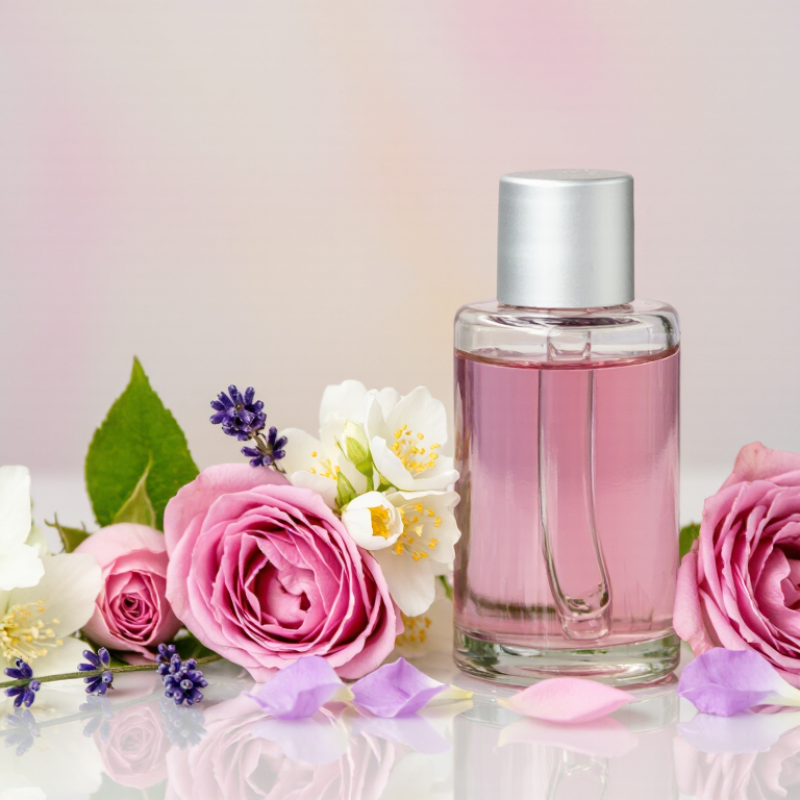
Floral flavor e-juice is a vaping liquid designed to resemble flowers, petals, or botanical blends. It may contain vegetable glycerin, propylene glycol, flavor concentrates, and optional nicotine. Floral does not mean one fixed recipe. Common profiles include rose, lavender, jasmine, violet, and hibiscus. Some formulas add citrus, tea, berries, or herbs. These additions can reduce a perfume-like finish. Food-grade labeling alone does not prove that an ingredient is safe to inhale.
The flavor can feel airy, sweet, green, dry, or slightly powdery. Rose may suggest soft jam and fresh petals, while lavender often brings a sharper herbal edge. Jasmine can smell rich and sweet. Device heat also changes the experience. High heat may flatten delicate notes or create harshness. Airflow and coil condition matter, too. A worn coil can make floral flavors taste burnt or muddy. Not every blend works. Some become soapy.
Floral e-juice appeals to adults who legally use vaping products and want something different from dessert or fruit flavors. Its lighter aroma can pair naturally with tea, citrus, or mild cooling notes. However, popularity does not equal safety. Vaping aerosols may contain substances that irritate the lungs, and nicotine can cause dependence. Flavor descriptions remain subjective, even when ingredients are clearly listed. Buyers should check local age rules, ingredient information, and manufacturing standards before making a choice.
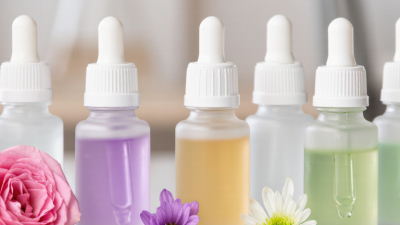
Floral flavor e-liquid uses flowers, herbs, and green botanicals to create a lighter sensory profile. Rose can add soft sweetness, while jasmine brings a sharper, honeyed aroma. Lavender feels dry and slightly woody. Hibiscus contributes tart berry notes, and elderflower adds a clean, pear-like lift. Some formulas combine these notes with bergamot, green tea, basil, or juniper. The result may resemble a cool garden after rain, not a sugary candy.
Consumer interest reflects a wider botanical trend. Innova Market Insights has repeatedly identified plant-based and botanical ingredients as major global flavor directions. Grand View Research estimated the global e-cigarette market at about US$18.13 billion in 2023, showing a large market for differentiated flavor profiles. However, that figure does not prove floral flavors alone are popular. It only shows strong commercial space for innovation. The evidence is still incomplete.
The CDC’s 2023 National Youth Tobacco Survey reported that 89.4% of young e-cigarette users chose flavored products. This finding highlights flavor’s influence, while also reinforcing the need for strict age controls and responsible marketing. Floral does not mean harmless. Flavoring compounds can behave differently when heated and inhaled. Experienced product developers therefore assess ingredient identity, thermal stability, and inhalation suitability instead of relying only on food-use status. A rose note may smell elegant in the bottle, yet become sharp after heating. That mismatch is easy to overlook.
What Is Floral Flavor E-Juice and Why Is It Popular?
Floral e-juice uses aroma notes associated with flowers, herbs, and soft botanicals. Common profiles include rose, lavender, jasmine, and violet. Its appeal often comes from a lighter sensory impression than heavy dessert flavors. However, floral popularity is difficult to measure separately. Major surveys usually group products as “flavored” rather than identifying flowers. The 2023 National Youth Tobacco Survey reported that 89.4% of young e-cigarette users chose flavored products. This figure shows flavor interest, not approval of floral products or use by adults.
How Is Floral E-Juice Made and Formulated?
A formulator usually balances propylene glycol, vegetable glycerin, approved flavor concentrates, and, where legally permitted, nicotine. Floral concentrates must be diluted carefully. Too much rose can smell like soap. Too much lavender may taste medicinal. Formulators often combine a soft floral layer with citrus, tea, or mild sweetness. They also test steeping time, because the aroma can become sharper or fade after mixing. The U.S. National Academies’ report on e-cigarettes stresses that heating can alter chemical compounds, so ingredient safety cannot be judged by taste alone. “Natural” does not automatically mean harmless. That assumption needs more reflection.
Tips: Choose products with transparent ingredient information and compliant manufacturing details. Avoid unknown concentrates or oils not intended for inhalation. Ask whether testing covers contaminants, nicotine accuracy, and heated emissions. A pleasant bottle aroma proves very little.
What Is Floral Flavor E Juice and Why Is It Popular?
Floral e-juice appeals to vapers through a softer sensory experience. Notes such as rose, lavender, jasmine, and violet can feel lighter than heavy dessert profiles. Their aromas may also create a clean, garden-like impression. That matters after a long workday. The flavor feels less demanding.
Sensory research offers a useful explanation. A 2023 review in Tobacco Control reported that flavor, aroma, and perceived smoothness influence people’s vaping preferences. However, floral preferences are rarely measured separately in major surveys. The 2024 ASH Smokefree GB survey grouped many choices into broad categories, rather than identifying rose or jasmine. That limitation is important. We should not treat general flavor data as proof of floral popularity.
Floral profiles also allow personal experimentation. A vaper may choose lavender with mint, or soften a sharp citrus note with jasmine. This layered experience resembles fragrance selection more than traditional tobacco taste. The appeal can feel personal and calming, though “calming” describes perception, not a proven health effect. The 2023 National Youth Tobacco Survey found that 89.4% of current youth e-cigarette users used flavored products, showing flavor remains a powerful category driver. That figure concerns young people, not adult floral users. I may be overreading the comparison. More adult research should examine floral flavors directly, including sweetness, inhalation comfort, and repeat-use patterns.
| Floral Flavor Profile | Typical Aroma Character | Common Aroma Compounds | Why It May Appeal to Vapers | Typical Pairings |
|---|---|---|---|---|
| Rose | Soft, sweet, fresh, and slightly fruity | Citronellol, geraniol, and phenethyl alcohol | Provides a recognizable floral identity with a gentle sweetness and a clean finish. | Berries, citrus, cream, and light tea notes |
| Lavender | Herbal, woody, cool, and mildly sweet | Linalool and linalyl acetate | Adds a distinctive aromatic quality and can create a perceived sense of freshness. | Lemon, vanilla, mint, and berries |
| Jasmine | Rich, sweet, intensely floral, and slightly indolic | Benzyl acetate, linalool, and benzyl alcohol | Offers a strong aromatic signature for vapers who prefer complex and perfume-like profiles. | Peach, pear, green tea, and tropical fruit |
| Hibiscus | Tart, fruity, bright, and tea-like | Flavor composition varies by cultivar; organic acids contribute to its tart sensory character. | Balances floral notes with acidity-like tartness, making the profile feel lively rather than heavy. | Red berries, pomegranate, citrus, and iced tea |
| Chamomile | Soft, hay-like, herbal, and mildly apple-like | Esters, terpenoids, and chamazulene-related constituents | Creates a mellow, tea-inspired profile with less intensity than many perfume-like florals. | Apple, honey, vanilla, and mild citrus |
| Orange Blossom | Sweet, citrusy, green, and lightly bitter | Linalool, limonene, and methyl anthranilate | Combines familiar citrus brightness with floral depth, creating a balanced all-day flavor style. | Orange, lemon, cream, honey, and tropical fruit |
| Violet | Powdery, sweet, green, and slightly earthy | Ionones, which are associated with violet-like aromas | Provides a nostalgic, confectionery-style character and a smooth aromatic finish. | Berry, grape, vanilla, and candy-style notes |
| Floral Blends | Layered, aromatic, sweet, fresh, or tea-like depending on the blend | A combination of terpenes, esters, alcohols, aldehydes, and other aroma compounds | Allows different floral notes to be balanced with fruit, cooling, tea, cream, or spice for greater complexity. | Fruit, tea, menthol, cream, herbs, and light spices |
Floral flavor e-juice often blends notes such as rose, lavender, jasmine, or violet with fruit, tea, or light sweetness. Its appeal comes from a softer aroma and a less familiar alternative to traditional tobacco or dessert profiles. A single puff may feel like walking past a garden after rain. However, the experience can vary sharply between devices and formulations. Some floral liquids taste fresh, while others become soapy or overly perfumed.
Consumers should inspect the ingredient list, nicotine strength, batch information, and manufacturing details before trying one. “Food-grade” flavoring does not automatically mean suitable for inhalation. Essential oils and homemade flower extracts deserve particular caution. They may contain compounds that are not properly evaluated for vaping. Floral ingredients may also irritate sensitive users or trigger fragrance-related reactions. Start cautiously, but remember that low exposure is not the same as no risk.
Do not use floral e-juice if you do not already vape. It is also inappropriate for minors and people who are pregnant or breastfeeding. Choose products with clear safety information and independent testing where available. A compatible device matters too; excessive heat can make the flavor harsh and unpleasant. Stop using it if you notice coughing, chest discomfort, dizziness, or throat swelling, and seek medical advice when symptoms persist. I used to assume delicate flavors were gentler, but that assumption was too simple. Aroma says little about inhalation safety.