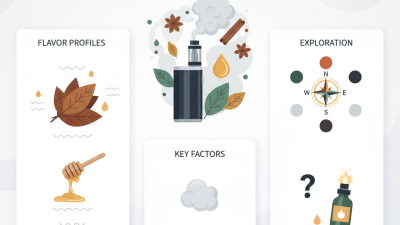
A useful E-Juice guide starts with clear labels, not bold promises. No verified quotation was provided for this topic, so I won’t invent words or attribute them to a named specialist. Dr. Konstantinos Farsalinos is a researcher in this field, but any direct quotation from him should be checked against a reliable primary source before publication.
The ten types buyers encounter can differ in flavor profile, ingredient disclosure, nicotine labeling, and intended device compatibility. A cool mint bottle, for example, may list a very different ingredient profile from a fruit blend. Names alone tell you little. Look for a readable ingredient list, a sealed container, batch details, and clear manufacturer information. Check product directions carefully, and do not assume that products with similar names are interchangeable.
Some categories may be described by flavor, while others are grouped by formulation or labeling. That overlap can make a simple “top ten” list less precise than it sounds. It deserves a second look. This guide will explain the distinctions without treating flavor as a quality rating or making health promises. Buyers should compare labels, ask questions when details are missing, and follow applicable product guidance. A tidy package can still leave questions unanswered. That is worth admitting. The goal is practical understanding: knowing what each type claims to be, what information supports that claim, and where a label leaves room for doubt.
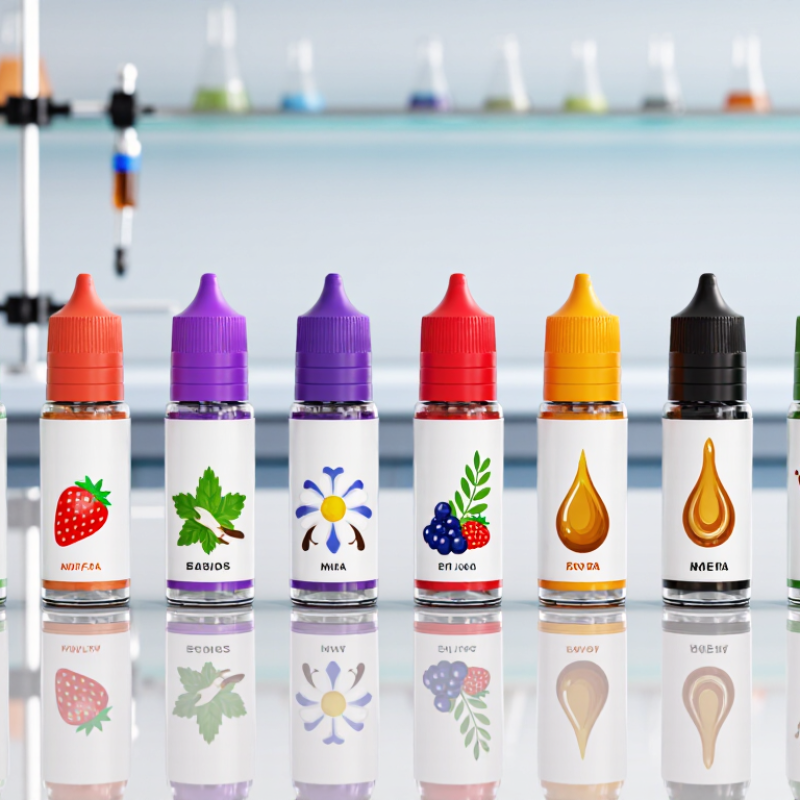
E-juice, also called e-liquid, is a liquid made for compatible vaping devices. Many formulas contain propylene glycol (PG), vegetable glycerin (VG), flavorings, and sometimes nicotine. Ingredients and proportions shape the liquid’s texture, taste, and other practical qualities. Details matter.
PG is thinner and often carries flavor clearly. VG is thicker and can produce denser vapor, but may not work well in every device. A bottle’s PG/VG ratio can help buyers compare blends; device instructions matter too. Nicotine options may include freebase nicotine, nicotine salts, or no nicotine. These are formulation differences, not quality guarantees. Flavor types can range from mint and fruit to dessert-inspired blends, though the same label may taste different to different people.
Check the ingredient list and concentration rather than relying on flavor names alone. A very thick liquid, for example, may not feed properly through a device designed for thinner blends. Small details count. E-juice is not risk-free, and nicotine can be addictive. Buyers should follow product and device directions, avoid using damaged or unlabelled liquids, and store bottles securely away from children and pets. Labels can be confusing; that deserves a second look.
E-juices are often classified by base, nicotine level, and flavor. These categories can overlap, so one bottle may fit several types. A propylene glycol-rich blend is thinner and tends to carry flavor clearly. A vegetable glycerin-rich blend is thicker and produces denser visible vapor. Balanced blends sit between the two, though the exact ratio matters.
Nicotine labels create another set of types: nicotine-free, lower-strength, and higher-strength options. Read the product label rather than guessing from taste; nicotine strength can be difficult to detect by flavor alone. Nicotine is addictive, and products should be kept away from children and pets. Labels can vary.
Flavor types commonly include tobacco, mint or menthol, fruit, and dessert or beverage profiles. A fruit blend may taste tart, while a dessert profile can feel sweeter and heavier. Flavor descriptions are guides, not guarantees.
Tips: Check the stated base ratio and nicotine amount before buying. If you have sensitivities or health concerns, ask a qualified healthcare professional. Taste is personal. A label may not tell the whole story, so keep notes after trying a product.
Top 10 E Juice Types Buyers Should Know
E-juice categories describe different things, so several can apply to one bottle. Nicotine-free juice contains no nicotine, while freebase nicotine is a traditional form often associated with a sharper throat sensation. Nicotine salt formulations may feel smoother at comparable labeled strengths, though individual experience varies. High-VG juice is thicker and commonly produces denser vapor; high-PG juice is thinner and carries flavor efficiently. Balanced blends aim for a middle ground. Check the ingredient and nicotine labels rather than guessing from appearance. Labels can overlap.
Flavor types describe another part of the choice. Tobacco flavors aim for dry, earthy notes, while menthol blends add a cool sensation. Fruit juices range from crisp citrus to soft berry profiles. Dessert flavors may suggest custard, pastry, or vanilla; beverage flavors can resemble coffee or other drinks. Names are not precise standards, and two “berry” blends may taste quite different. That is worth remembering. A product description cannot guarantee a personal match. Compare the stated VG/PG ratio, ingredients, and nicotine strength, and buy only from a source that provides clear product information. Keep nicotine-containing liquids away from children and pets, and follow the product’s storage directions.
| E-Juice Type | Common Composition or Format | Distinguishing Features | What to Check |
|---|---|---|---|
| Freebase Nicotine | Uses freebase nicotine; available in a range of labeled strengths and PG/VG ratios. | At higher strengths, it may produce a more noticeable throat sensation than nicotine salt liquids. Often paired with devices designed for lower-power or adjustable use. | Check nicotine concentration in mg/mL, device guidance, and the product’s PG/VG ratio. |
| Nicotine Salt | Uses nicotine salts, commonly formulated with an acid such as benzoic acid. | Often feels smoother than freebase nicotine at comparable higher concentrations, though experience varies. Frequently sold for compatible low-power devices. | Strengths can be high. Confirm the concentration and follow the device’s instructions; do not assume it is suitable for every device. |
| Zero-Nicotine | Labeled as containing 0 mg/mL nicotine. | Provides flavor without added nicotine when the label is accurate. It is not the same as nicotine-containing liquid. | Check the full ingredient and product labeling. Nicotine-free aerosol is not harmless, and product quality can vary. |
| High-PG Blend | Has a higher proportion of propylene glycol (PG) than vegetable glycerin (VG). | PG is thinner and carries flavor efficiently; higher-PG blends commonly produce less visible aerosol and may give a more pronounced throat sensation. | Check compatibility with the device and its coil. Some people are sensitive to PG. |
| High-VG Blend | Has a higher proportion of vegetable glycerin (VG) than PG. | VG is thicker and often produces denser visible aerosol. High-VG liquids may not feed properly in devices designed for thinner blends. | Verify that the device and coil support the liquid’s thickness; check the stated VG/PG ratio. |
| Balanced PG/VG Blend | Often labeled with a near-equal ratio, such as 50/50 PG/VG. | Offers a middle ground in thickness and aerosol production. It is a common format, but suitability still depends on the device. | Read the exact ratio rather than relying on terms such as “balanced” or “standard.” |
| Menthol or Cooling | May use menthol, mint flavorings, or other cooling ingredients, with or without nicotine. | Designed to create a cool or mint-like sensory effect. Cooling intensity and flavor profile vary between formulations. | Check the ingredient and flavor description; “cooling” does not necessarily mean the liquid contains menthol. |
| Tobacco-Flavored | Uses flavorings intended to evoke tobacco; nicotine content and PG/VG ratios vary. | Flavor can range from dry or earthy notes to sweeter, fuller profiles. The flavor category does not indicate whether tobacco leaf is present. | Check the ingredient list and nicotine label. Tobacco flavor does not make a product tobacco-free or risk-free. |
| Fruit-Flavored | Uses one or more fruit-inspired flavorings, sometimes combined with cooling or sweet notes. | Can be single-fruit or blended. The flavor name describes the intended taste and does not establish that the liquid contains real fruit. | Review ingredients, nicotine strength, and PG/VG ratio; flavor category alone does not identify the formulation. |
| Dessert or Bakery-Flavored | Uses flavorings inspired by items such as custard, pastry, or sweet desserts. | Usually emphasizes sweet, creamy, or baked-goods-style flavor profiles. Formulations and sweetness levels differ widely. | Check the full label and device guidance. Do not infer ingredients or safety from the flavor name. |
Note: These categories can overlap: a liquid may be, for example, a nicotine-salt, high-VG, fruit-flavored product. Nicotine is addictive, and e-cigarette aerosol is not harmless. Follow local regulations and product instructions, and keep e-liquids away from children and pets.
Top 10 E Juice Types Buyers Should Know
How Device Compatibility Influences E-Juice Selection
The device is part of the choice. A liquid that works well in one setup may feel too thick or produce less vapor in another. Compact pod systems often suit thinner liquids with more propylene glycol (PG). Many larger, higher-power devices are designed for liquids with more vegetable glycerin (VG). Always check the device maker’s guidance before filling the tank.
Small details matter. PG carries flavor clearly and usually feels less thick. VG creates a denser vapor but can move slowly through small coil openings. If a liquid is too thick for a coil, the wick may not stay fully saturated. That can lead to a dry, harsh puff. The ratio on the bottle offers a useful starting point, not a guarantee; coil design and airflow also affect performance.
Check the liquid label and device instructions together. Match the recommended liquid type and strength to the device, and use only products intended for that equipment. Not every setup agrees. A new liquid may also taste different after a coil change, so adjust one variable at a time. Buyers can overlook this simple step, especially when two bottles have similar flavor descriptions. If the device manual gives no clear guidance, ask a qualified retailer rather than guessing.
These bars show common PG/VG blend examples, with each blend totaling 100%. Higher-VG liquids are thicker and are often used in sub-ohm devices; balanced or higher-PG blends are commonly chosen for lower-power, mouth-to-lung devices. Compatibility varies by device, so check its manufacturer guidance. Nicotine type and strength are separate choices from PG/VG ratio.
Buyers comparing e-juice types should start with the label, not the flavor name. Check the ingredient list, nicotine concentration, PG/VG ratio, net volume, lot number, and date information. A sealed bottle with legible print is easier to trace than one with missing details. Compare the listed concentration with your intended use; do not assume two labels use identical units. Terms such as “nicotine-free” still deserve a careful ingredient check. Small details matter.
Tips: Store bottles upright, tightly closed, and away from heat, sunlight, children, and pets. Wipe drips promptly; wash skin with soap and water after contact. Keep it sealed. Avoid transferring liquid into unlabeled containers.
Quality is not proven by polished packaging alone. Check that the tamper-evident seal is intact and that manufacturer contact or safety information is accessible. Leakage, a damaged cap, an unusual odor, or an unexpected change in appearance are reasons to pause and ask the seller for clarification. Labels cannot verify every ingredient or storage condition, so some uncertainty remains part of the buying decision.