Choosing a reliable Nic Salt Vape E-Liquid supplier requires more than comparing flavors or wholesale prices. Global buyers need verified manufacturing practices, consistent formulations, secure packaging, and transparent compliance records. This guide examines seven suppliers through those practical standards.
Dr. Konstantinos Farsalinos has explained, “Nicotine salts allow higher nicotine concentrations with less throat irritation.” This observation helps explain their popularity among adult consumers, but it does not remove the need for careful purchasing. Nicotine products require responsible handling, clear labeling, and strict age controls. Buyers must also confirm local rules before importing or selling any product.
The suppliers featured here were assessed for ingredient traceability, independent laboratory testing, batch information, and production quality. Their export experience also matters. A supplier may offer attractive pricing yet provide weak documentation. That weakness can create delays, rejected shipments, or customer safety concerns.
Packaging details deserve attention. Look for sealed bottles, readable nicotine strength, batch numbers, expiration information, and child-resistant features where required. Ask for current certificates, not old files copied from another product.
No ranking is perfect. Some supplier evidence may remain incomplete. That is worth admitting. Markets change, regulations differ, and product quality can vary between batches. Therefore, this list should support careful due diligence rather than replace it. The strongest supplier is not always the cheapest. It is the one that communicates clearly, documents its process, and respects every applicable law.

WHO’s estimate of 1.25 billion adult tobacco users shows the scale of global nicotine demand. It does not automatically prove that every smoker wants a vape product. Nicotine salt e-liquid may offer a smoother inhalation experience, but nicotine remains addictive. Buyers need evidence, not attractive promises. A reliable supplier should provide current laboratory reports, ingredient disclosures, batch numbers, and clear nicotine-strength information.
For global purchasing, compliance must guide every decision. Check age-verification procedures, child-resistant packaging, warning labels, tax documents, and destination-country rules. These requirements differ widely. A supplier with responsive technical support can also explain storage temperatures, shelf life, and transport limits. Independent testing is valuable, though it cannot remove every risk. No checklist is perfect.
Tips: Compare at least three suppliers before ordering. Request a recent certificate of analysis for each batch. Confirm that product descriptions match the physical labels. Start with a small, documented shipment. Keep invoices and testing records. Avoid suppliers that hide manufacturing details or pressure buyers into large orders. Review local regulations before payment, because a product accepted in one market may be restricted in another. Supplier selection should protect adult consumers, support traceability, and leave room for honest review when evidence is incomplete.
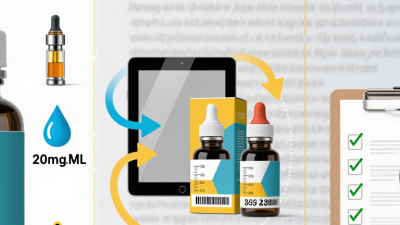
A credible ranking starts with evidence, not glossy catalogs. The Global State of Tobacco Harm Reduction estimated about 114 million vapers worldwide in 2023, increasing pressure on suppliers to prove quality and traceability. For each supplier, request a batch-specific certificate of analysis, showing nicotine strength, ingredient screening, contaminants, laboratory identity, and test date. A PDF alone is not enough. Verify the laboratory and match the batch number to the production record.
GMP certification should come from a recognized auditor, with a current certificate and clear facility scope. Check filling controls, sanitation records, complaint handling, and recall procedures. Also confirm lawful market access before ordering. Rules differ sharply between countries. This part is often overlooked. It should not be.
Cost comparisons need equal assumptions. Record price per bottle, packaging, testing, shipping, duties, and payment terms. A low quote may hide weak documentation or expensive rework. Compare MOQ against realistic demand, not a hopeful forecast. The WHO’s 2023 tobacco product regulation report stresses the importance of product controls and accurate information, supporting a documentation-first approach.
Lead times deserve separate scoring. Ask for sample approval time, production days, dispatch time, and the carrier’s typical transit range. Require written answers. My own scorecard is imperfect; supplier reliability can change after one failed shipment. A practical weighting is 35% compliance evidence, 20% manufacturing controls, 20% landed price, 15% MOQ flexibility, and 10% delivery performance. Keep dated records for all seven suppliers.
| Rank | Supplier Profile | COA Availability | GMP Documentation | Minimum Order Quantity | Indicative Pricing | Typical Lead Time | Export Readiness | Weighted Score |
|---|---|---|---|---|---|---|---|---|
| 1 | Profile A High-volume international manufacturer |
Full batch COA Nicotine strength, impurities, heavy metals, microbiology, and identity testing available upon request. |
Documented GMP system Current quality manual, sanitation procedures, batch records, and audit support. |
5,000 units 10 ml bottles |
US$0.78–1.05 per unit Excluding freight and duties |
25–35 business days After artwork and formula approval |
Strong Standard export documents and multilingual carton markings. |
91/100 |
| 2 | Profile B Compliance-focused regional manufacturer |
Batch COA available Third-party laboratory testing offered for finished products and nicotine content. |
GMP-aligned operations Written procedures and traceability records available for buyer review. |
3,000 units 10 ml bottles |
US$0.86–1.18 per unit Excluding freight and duties |
28–40 business days Depending on flavor and packaging complexity |
Strong Can generally support commercial invoices, packing lists, and product specifications. |
88/100 |
| 3 | Profile C Flexible private-label producer |
COA supplied by batch Routine potency and microbiological testing included; expanded panels may cost extra. |
Partial GMP evidence Quality procedures available, but independent certification should be confirmed before ordering. |
2,000 units 10 ml bottles |
US$0.92–1.30 per unit Excluding freight and duties |
30–45 business days Small custom runs may require additional time |
Good Suitable for standard export orders with buyer-provided regulatory requirements. |
84/100 |
| 4 | Profile D Mid-market contract manufacturer |
Standard COA available Finished-product testing normally covers nicotine concentration and basic safety parameters. |
GMP controls reported Buyer should request current audit records and production-area documentation. |
5,000 units 10 ml bottles |
US$0.74–1.02 per unit Excluding freight and duties |
35–50 business days Longer for new bottle formats |
Good Best suited to buyers with established import and compliance procedures. |
80/100 |
| 5 | Profile E Small-batch custom formulation supplier |
COA available on request Testing scope and laboratory accreditation should be confirmed for every shipment. |
Basic GMP-style procedures Formal certification and on-site controls require additional verification. |
1,000 units 10 ml bottles |
US$1.05–1.48 per unit Excluding freight and duties |
35–55 business days Formula development may extend the schedule |
Moderate Export support is available, but documentation may be less standardized. |
75/100 |
| 6 | Profile F Price-oriented wholesale supplier |
Basic batch documentation COA may cover nicotine strength but expanded contaminant testing is not always included. |
Limited evidence Request current procedures, supplier qualification records, and traceability samples. |
10,000 units 10 ml bottles |
US$0.62–0.88 per unit Excluding freight and duties |
40–60 business days Subject to production capacity |
Moderate Buyers may need to coordinate additional labeling and regulatory documentation. |
69/100 |
| 7 | Profile G Entry-level trading and sourcing channel |
Inconsistent availability Independent verification is recommended before payment or mass production. |
Not independently confirmed Do not rely on marketing claims without current supporting records. |
10,000–20,000 units 10 ml bottles |
US$0.55–0.82 per unit Excluding freight and duties |
45–70 business days May vary with factory allocation |
Limited Additional inspection, testing, and documentation may be required. |
61/100 |
For global buyers, EU TPD limits should guide every nicotine salt e-liquid purchase. In the EU, products must not exceed 20 mg/mL nicotine. Refill bottles must also remain within the 10 mL container limit. These figures are not marketing suggestions. They are compliance benchmarks.
A dependable supplier should display nicotine strength, batch identification, ingredients, warnings, and traceable manufacturing details. Check whether the packaging uses child-resistant closures and tamper-evident seals. Clear labels matter when cartons cross borders and pass through different warehouses. A professional supplier should provide current laboratory documentation, not a vague quality statement. Ask for test dates, testing methods, and product-specific results. Generic certificates are weak evidence.
Product consistency deserves equal attention. Nicotine salt liquid should match its stated strength across batches, with a clean ingredient list and stable flavor description. Storage instructions should mention heat, sunlight, and leakage risks. Some suppliers publish impressive compliance pages but provide incomplete documents when contacted. That is a warning sign. No supplier is perfect.
Buyers should also confirm the destination market’s rules before ordering. EU requirements may differ from standards outside Europe, including notification procedures, language rules, and packaging details. Keep invoices and batch records. They support traceability if a shipment is questioned. Small checks prevent expensive mistakes.
Global buyers often compare seven supplier profiles before requesting samples. Each profile should show more than a polished catalogue.
Profile one focuses on batch consistency, using laboratory test records and sealed production lots. Profile two offers restrained fruit, mint, and tobacco-style flavour ranges. Profile three highlights food-grade ingredients, clear nicotine declarations, and child-resistant packaging. Profile four serves smaller wholesalers with flexible minimum order quantities. Its lead times may change during peak seasons. Profile five supports private-label development, but buyers should inspect artwork controls carefully. Profile six emphasizes export experience, with commercial invoices, packing lists, and destination-specific documentation. Profile seven provides stronger quality assurance, including ingredient traceability, independent testing, and documented complaint handling.
Reliable suppliers can explain their manufacturing process without vague claims. Ask how batches are sampled, stored, and released. Certifications matter, but their scope must be checked. A quality certificate may cover a factory system, not every finished product. That distinction is easy to miss.
Flavour descriptions should match physical samples. A bright citrus note can become harsh after storage. Request samples from different production dates when possible. Buyers should also confirm nicotine regulations, labelling rules, import restrictions, and age-control requirements in each destination. Export reach is useful only when compliance remains practical. Records, response times, and honest limitations often reveal more than impressive sales language. Some suppliers will not fit every market. That is normal, and worth admitting.
7 Best Nic Salt Vape E Liquid Suppliers for Global Buyers
Global buyers need more than a low unit price. A practical scorecard should measure compliance, customs risk, support, and landed value. The World Health Organization’s 2023 tobacco trends report estimates 1.25 billion adult tobacco users worldwide, but regulations differ sharply between markets. Some jurisdictions restrict nicotine strength, bottle size, flavours, or online sales. Buyers should verify each destination’s rules before ordering.
Compliance evidence should include ingredient lists, batch records, laboratory certificates, safety data sheets, and accurate labels. Customs risk rises when invoices show vague descriptions or incorrect tariff codes. The World Bank’s 2023 Logistics Performance Index evaluates customs, shipment handling, tracking, and timeliness. These areas reveal more than a supplier’s marketing claims. Support also matters. A responsive export team can correct documents before cargo moves. Still, one weakness remains: published certificates may not prove every production batch is identical.
Tips: Compare landed cost, not the catalogue price. Request a sample document pack first. Confirm nicotine limits with local authorities or licensed advisers. Check whether the supplier explains taxes, delivery terms, and rejected-shipment procedures clearly. Small details matter, such as matching lot numbers across bottles, cartons, invoices, and test reports. A supplier promising universal delivery deserves caution. No single scorecard fits every country.
Global Buyer Scorecard: Compliance, Customs Risk, Support, and Value
This scorecard uses a neutral 100-point procurement framework rather than publishing company or brand data. Compliance and customs risk receive the highest weighting because nicotine products are subject to market-specific rules, documentation requirements, labeling controls, and import restrictions. Buyers should validate each supplier with current laboratory reports, product documentation, shipping records, and destination-market requirements before placing an order.