2026 Best Nic Salt Vape Juice for Global Buyers Guide?
In recent years, the market for Nic Salt Vape Juice has surged. According to a report by Market Research Future, the global nicotine salt e-liquid market is projected to grow significantly, with a compound annual growth rate (CAGR) of over 25% by 2026. This rise highlights the increasing preference among vapers for Nic Salt products due to their smoother throat hit and quicker nicotine absorption. As noted by vaping industry expert Dr. Anna Chang, "Nic Salt Vape Juice offers a more satisfying experience, mimicking the feel of traditional smoking without harshness."
Many vapers are shifting towards Nic Salt formulations, especially those looking to quit smoking. The balanced and palatable flavors attract a diverse audience. Yet, not all Nic Salt products are created equal. Consumers often face challenges in identifying high-quality options in a flooded market. It is essential to examine ingredients and sourcing practices critically.
Creating a personalized vaping experience requires effort. Finding the right Nic Salt Vape Juice that meets personal preferences may take time. It is imperative for buyers to seek trusted brands and read reviews. The landscape is filled with choices, but quality and transparency remain key in this evolving industry. Each decision made in selecting Nic Salt products should reflect informed choices for a better experience.
2026 Trends in Nicotine Salt Vape Juice: Market Analysis and Insights
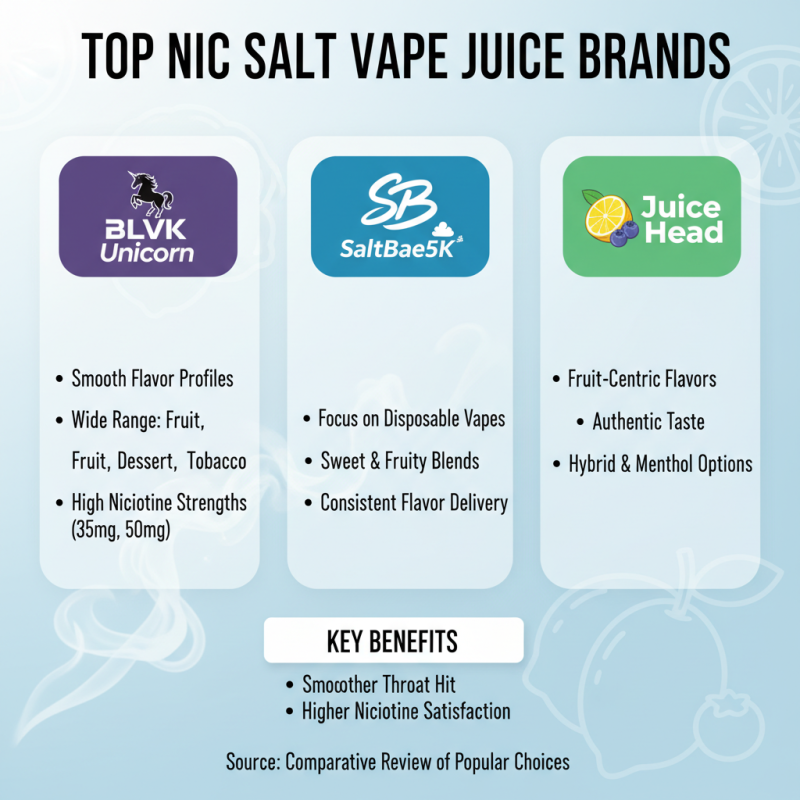
The nicotine salt vape juice market is rapidly evolving, reflecting changing consumer preferences and regulatory landscapes. According to recent market analysis, the global nicotine salt market is projected to grow at a CAGR of 25.5% from 2023 to 2028. This surge indicates a strong demand for products that offer smoother throat hits and enhanced absorption rates. Consumers increasingly seek alternatives that provide satisfaction without the harshness associated with traditional e-liquids.
The popularity of nic salt products also correlates with trends in flavor profiles. Data shows that fruity and dessert-inspired flavors dominate user choices. These preferences have led to a wider variety of offerings in the market, catering to a diverse audience. However, the challenge lies in balancing flavor intensity and nicotine levels. Some users may find high-nicotine flavors overwhelming, revealing a gap for manufacturers to explore milder options.
While the market landscape grows, regulation remains a critical concern. Countries are tightening rules around nicotine concentrations and marketing practices. This shift means manufacturers must stay informed and adapt quickly. Lack of adherence could lead to lost market opportunities. Therefore, understanding local laws is essential for success. As the industry evolves, brands must prioritize both innovation and compliance to navigate the complexities ahead.
Key Ingredients in Nic Salt Vape Juice: Safety and Quality Standards
When selecting nic salt vape juice, understanding key ingredients is crucial. Quality and safety standards vary by manufacturer.
Common ingredients include nicotine salts, flavorings, and vegetable glycerin. Nicotine salts provide a smoother throat hit. This makes them appealing for users transitioning from traditional cigarettes.
Many vape juices contain artificial flavorings. It’s essential to know how these affect overall safety. Some flavors may include chemicals that can be harmful.
Always check for third-party lab testing results. This is a good indicator of a product's safety. Transparency in ingredients is vital in choosing a reliable product.
Tips: Look for vape juices with clear labeling. Ingredients should be listed in detail. Stick to products that adhere to safety regulations. Not all manufacturers follow the same quality standards.
Educate yourself on what to avoid, and don’t hesitate to ask questions. Your health should always come first.
Flavor Profiles in Nic Salt Vape Juice: Consumer Preferences and Trends
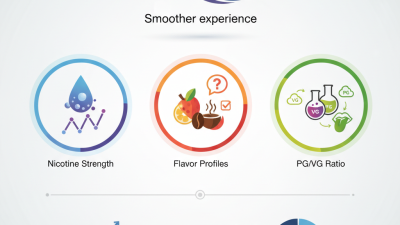
Flavor profiles play a crucial role in the appeal of nic salt vape juice. Consumers often gravitate towards familiar tastes. Fruity flavors, such as strawberry and mango, remain popular. However, the demand for unique profiles is rising. Flavors like cotton candy or hibiscus attract adventurous vapers seeking new experiences.
Traditionally, mint and menthol have maintained a loyal following. Some users appreciate the refreshing sensation they provide. The industry sees a shift towards dessert flavors, including vanilla custard and chocolate. These flavors evoke nostalgia, tapping into deep emotional connections. Yet, balancing sweetness is key. Too much sweetness can overwhelm the palate and deter repeat usage.
Trends show an increasing interest in natural flavoring. Many consumers are becoming more health-conscious. They prefer products that avoid artificial additives. This reflects a broader movement towards cleaner, more transparent ingredients. However, finding the right balance between natural and appealing remains a challenge for manufacturers. The need for innovation alongside consumer expectations continues to grow, shaping the future of nicotine salt vaping.
Global Regulations Impacting Nic Salt Vape Juice: A Buyer’s Guide
Navigating the global regulations around nicotine salt (nic salt) vape juice can be complex. Different countries have their own rules regarding the sale and distribution of these products. Understanding these regulations is essential for international buyers. Each region may impose specific limits on nicotine strength or ingredients used. Staying informed can help avoid legal issues.
In some areas, age restrictions apply. You may find that some regions only allow sales to those over 18 or even 21. This varies greatly across borders. It's crucial to consider not only the legal age but also the cultural attitudes toward vaping. Some countries have embraced vaping as a smoking alternative, while others are more restrictive.
Buyers should also pay attention to labeling and quality standards. In certain jurisdictions, manufacturers must provide clear ingredient information. Misleading labels can lead to distrust. Ensuring compliance with local regulations is a proactive step. This complexity means careful research is vital. Sometimes, what is legal in one country may not be in another. Buyers must always verify current regulations before making a purchase.
2026 Best Nic Salt Vape Juice for Global Buyers Guide
| Flavor Profile |
Nicotine Strength (mg/ml) |
PG/VG Ratio |
Best Features |
Global Regulatory Status |
| Cool Menthol |
20 |
50/50 |
Smooth throat hit, refreshing flavor |
Permitted in most markets |
| Tropical Fruits |
25 |
70/30 |
Burst of flavors, sweet aftertaste |
Regulated in some countries |
| Vanilla Custard |
18 |
40/60 |
Creamy texture, dessert flavor |
Allowed in most jurisdictions |
| Berry Blast |
30 |
60/40 |
Rich berry flavors, vibrant |
Compliance needed in various markets |
| Cinnamon Roll |
12 |
50/50 |
Sweet and spicy, baked goods flavor |
Regulated, specific limits in some areas |